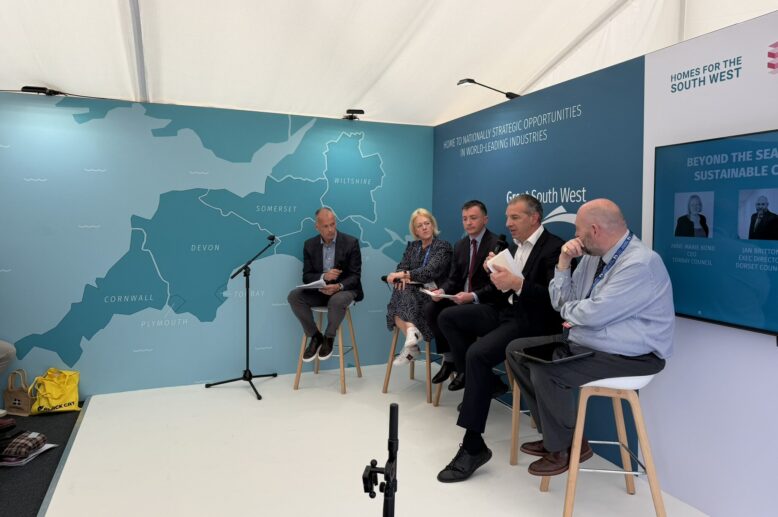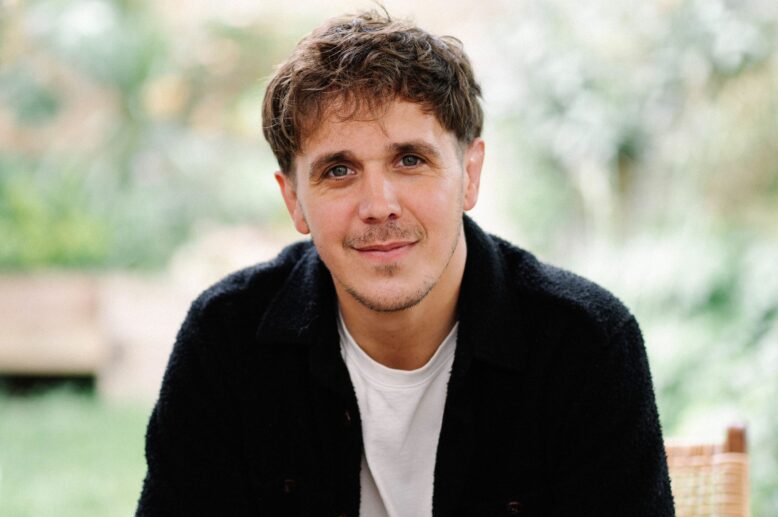
At this year’s UKREiiF, Milligan convened a panel that challenged one of the most persistent assumptions in UK regeneration: that coastal renewal begins and ends at the seafront. Chaired by Milligan CEO Stuart Harris, the discussion brought together senior voices from local government, regional leadership and investment: Anne Marie Bond (CEO of Torbay Council), Gareth Bradford (Director of Strategic Business Development), Sean Anstee and Jan Britton.
The message from the panel was clear: if coastal regeneration is still being measured by upgraded promenades, seasonal footfall and one-off capital projects, then we are aiming far too low. The future of coastal communities will not be built on “seafront thinking”. It will be built on long-term partnerships, economic resilience, blue economy opportunity and regeneration that changes lives, not just skylines.
The danger of “quick wins”
Opening the debate, Anne Marie Bond challenged the tendency to reduce coastal regeneration to tourism-led interventions and cosmetic improvements.“It’s because of the visibility… there’s the opportunity to seek to get a quick win, more in terms of perception rather than anything meaningful changing for the economy.” The problem, she argued, is that highly visible projects often fail to address the deeper structural issues many coastal places face: low wages, low skills, economic seasonality and entrenched deprivation. Even worse, they can divert finite resources away from transformational change. “Those quick fixes do nothing to address the underlying issues… and can actually undermine the wider work.” The conversation repeatedly returned to this distinction between regeneration as physical development and regeneration as systemic change. As Anne Marie later put it: “If at the end of all of our work we’ve delivered buildings, we have failed.”The shift from projects to programmes
One of the strongest themes to emerge was the importance of moving from isolated schemes to long-term, place-based regeneration programmes. Torbay’s strategic partnership model, bringing together public leadership and long-term delivery capability, was highlighted as a major cultural shift. Anne Marie described how a long-term approach changes not just what gets built, but how places think, govern and attract investment. “We move from a position of fragmentation to integration. It’s not a relationship of contractors delivering schemes A, B or C. Actually, it’s a partnership that delivers outcomes for our residents.” That shift matters because investors increasingly look beyond individual assets. They look for confidence, continuity and credibility.
Gareth Bradford explained that for long-term investors like The Crown Estate, regeneration success depends on more than a compelling vision. “You need a clear, compelling ambition and a clear plan… but you also need a clear route to delivery.” Crucially, investors also need confidence that local partners can navigate complexity together over time. “The reality is lots of the schemes being taken forward now are very innovative… they haven’t been done before. That requires people willing to work together through the inevitable issues and challenges.”Coastal communities are economic assets — not economic problems
Perhaps the most striking challenge to conventional thinking came from the panel’s insistence that coastal places should stop defining themselves through deficit. Sean Anstee argued that too often regeneration narratives begin with decline rather than opportunity. “There’s a deficit-based view and an asset-based view. If you view things through a deficit lens, you’re going to end up with a description about why you can’t do something.” Instead, he called for coastal communities to articulate their economic contribution with confidence. That means recognising the scale of opportunity emerging around clean energy, advanced manufacturing, marine industries, defence, digital connectivity and quality-of-life driven economic growth.Jan Britton described this as the emergence of the “blue economy”. “Economic development doesn’t stop at the seafront. We’re talking about the future of Weymouth and Portland being in the blue economy, not the green economy.” For coastal authorities across the South West, offshore wind is becoming a defining opportunity. Gareth described floating offshore wind in the Celtic Sea as a transformational national opportunity, but one that will only succeed if local places prepare properly. “We want to make sure the jobs and the benefits are felt within those localities.” That means aligning housing, employment land, infrastructure and skills planning well ahead of delivery.
Confidence matters more than perfection
Another recurring theme was the importance of confidence – both internally within places and externally in how places tell their story. Sean argued that successful places project clarity, ambition and collective purpose. “The characteristics of places that are successful? They’re confident. They know what they’re doing.” This confidence is not about ignoring challenges. It is about refusing to let challenges define the future. For Dorset, Jan said that means helping communities see regeneration as something larger than individual projects. “We’ve had years and years of differences and local competition. But if we want these big things to happen, we’ve got to pull together.” He added: “We’ve got to have our disagreements in private and our agreements in public.” That ability to convene, across councils, communities, investors and institutions, emerged as one of the defining responsibilities of modern local leadership. Combined authorities, the panel argued, are not simply funding mechanisms. They are strategic storytellers, coalition builders and investment platforms.Regeneration must be measured in lives changed
As the session closed, the panel returned repeatedly to a central question: how do we know regeneration is actually working? The answer was unequivocal. Not through construction value. Not through visitor numbers. Not through ribbon cuttings. But through outcomes.Anne Marie pointed to projects in Torbay that combine physical regeneration with social impact, including extra care housing designed to support ageing populations while revitalising town centre activity. “We are changing the face of Torbay not for the physical assets it will provide, but so that we can change the future for our residents.”
Jan similarly challenged assumptions around ageing coastal populations. “Older people, retirees, are not economically inactive.” Instead, he argued, coastal places must rethink demographic change as an opportunity, creating jobs, training and innovation around care, health and independent living. The implication is profound. Coastal regeneration is no longer simply about place enhancement. It is about economic resilience, social mobility and long-term system change.Beyond the seafront
If there was one idea that united the panel, it was this: coastal communities are entering a new era. Not because their challenges have disappeared, but because their strategic importance is being rediscovered.
As Gareth put it: “The coast is the only place that connects the land and the sea.” That connection creates opportunities that cannot be replicated elsewhere: energy infrastructure, marine industries, trade, defence, tourism, nature recovery and a globally competitive quality of life offer. But unlocking that potential requires a different mindset. Long-term over short-term. Programmes over projects. Outcomes over optics. And perhaps most importantly, regeneration that starts not with the seafront, but with the community behind it.
21 May 2026
Beyond the Seafront: Why Coastal Regeneration Needs a New Playbook